As a Dallas remodeling professional, I often hear homeowners ask what will happen when the final Bathroom Remodeling inspection arrives. The word “inspection” can make any renovation feel official and a little nerve-wracking, but understanding the process demystifies it. In this article I’ll walk you through typical inspection checkpoints, what inspectors focus on, and practical steps to prepare your project so that you can move from demo to a finished, code-compliant space with confidence. Bathroom Remodeling begins and ends with attention to detail, and the inspection is where those details are validated.
Bathroom Remodeling Inspections: What Inspectors Look For
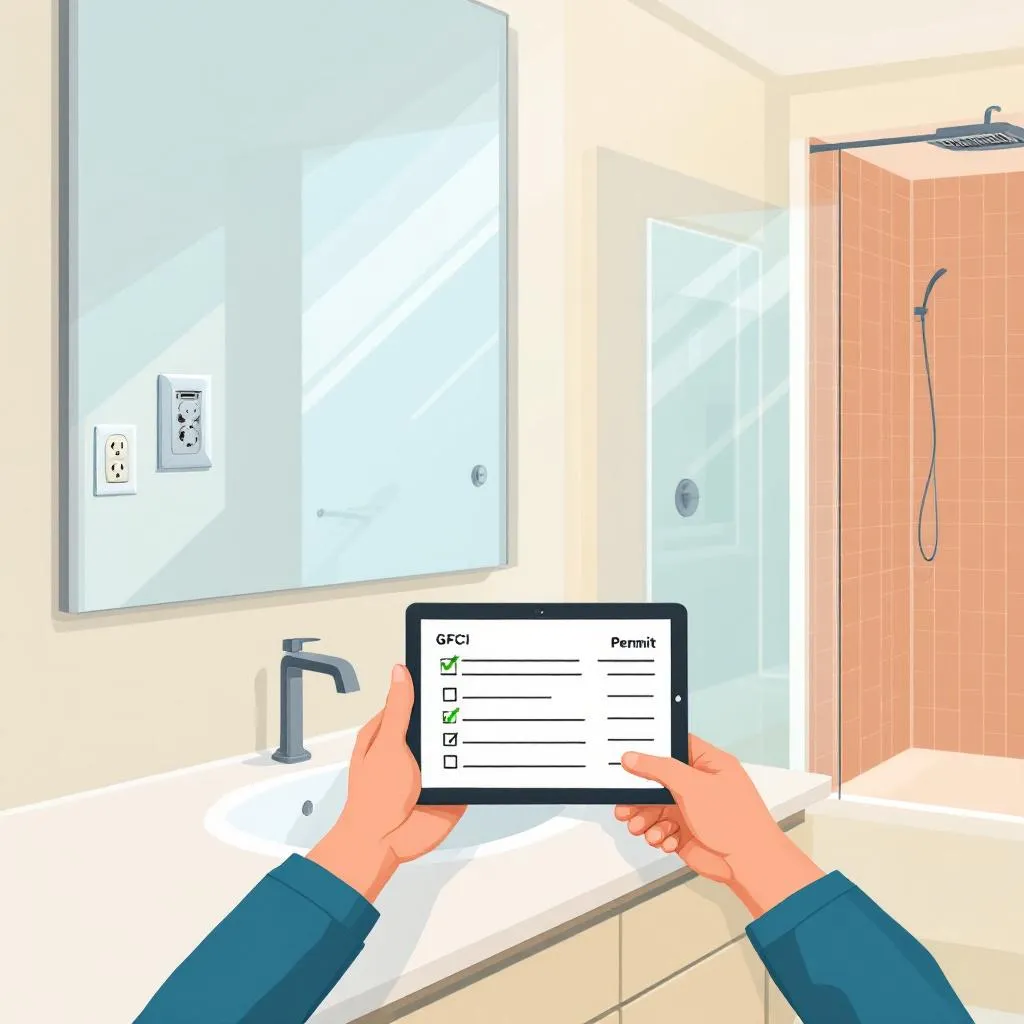
Inspectors come into a job with a checklist shaped by local building codes, safety priorities, and years of practical experience. In Dallas they will typically verify that required permits are posted or otherwise documented, that electrical work meets GFCI and circuit rules, and that plumbing fixtures, drain lines, and ventilation are properly installed. They also check structural work where walls were moved or openings altered, and they look for proper waterproofing in shower pans and tub surrounds. When you understand the common focus areas, you can stage your final walkthrough to address them one by one rather than hoping everything passes by luck.
Preparing Your Project for Inspection
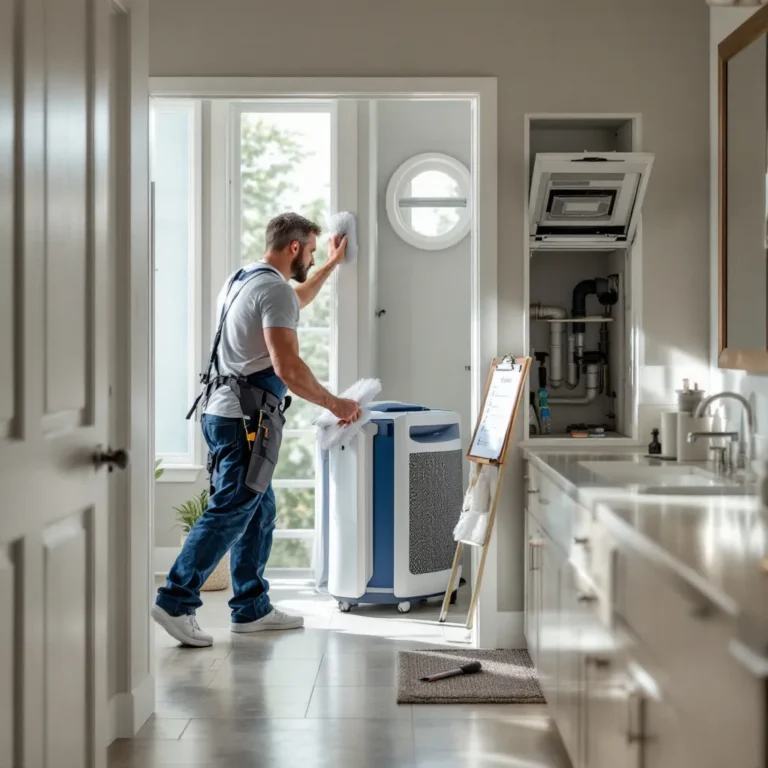
Preparation starts early in the project. Keep permit paperwork organized and available, document changes to the scope in writing, and maintain good communication with your licensed tradespeople. Practical on-the-day tips include making sure electrical panels are accessible, drains and vents are uncovered for visual inspection, and any temporary protections are removed so the inspector can see finished details. I recommend a pre-inspection walkthrough with your contractor: this internal check often catches the small things that cause re-inspections, such as a missing smoke detector, a gap in a tile shower pan, or an improperly wired outlet.
Common Code Issues and How to Avoid Them
Many of the issues that lead to failed inspections stem from overlooked details rather than major mistakes. For example, ventilation is frequently under-specified; an exhaust fan vented incorrectly or sized too small can trigger a correction. Improperly sealed shower niches and drain connections are other frequent concerns. Electrical code demands GFCI protection near water and correct lighting and fan interlocks. The best prevention is to hire reputable, licensed professionals and to keep an open line with your inspector when you plan nonstandard layouts or materials. When you know why something matters, it is easier to prioritize fixes before the inspector arrives.
What Happens During the Inspection Visit
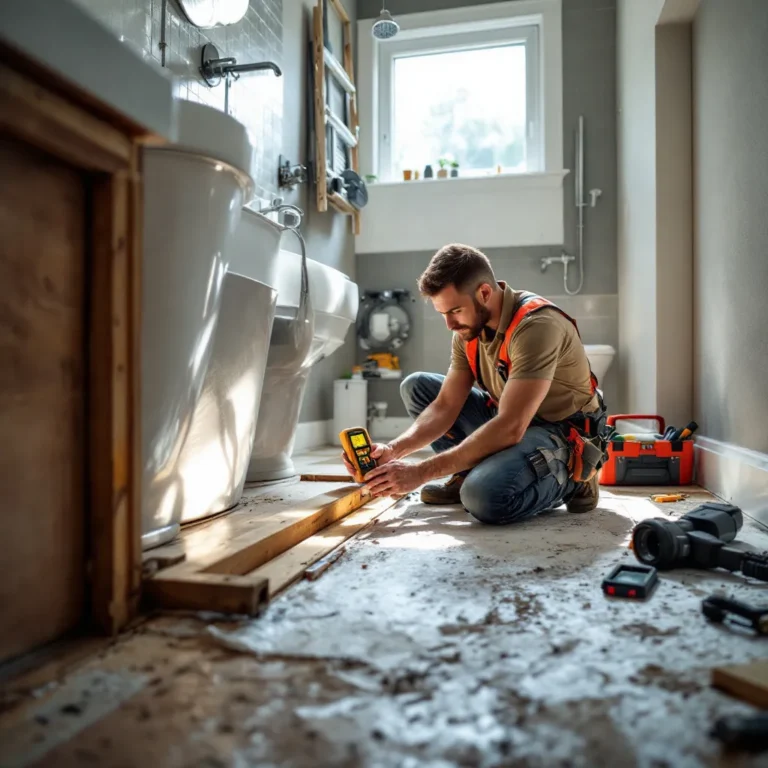
On the day the inspector arrives, they will typically walk the space and ask to see the permit. They will test outlets, verify protective devices, check water heater clearances and temperature control settings, and look closely at wet areas for proper pan slopes and tile backer installation. If the project includes relocation of plumbing or structural changes, expect the inspector to request access behind walls or to see supporting documentation from the engineers or contractors. Most inspections are conversational: inspectors will explain any deficiencies and give a clear path to correction, which makes the process collaborative rather than adversarial.
In the middle of the project it is common to have intermediate inspections—rough plumbing, rough electrical, and framing are typical milestones. Addressing issues at those stages reduces the chance of final punch-list items. Be mindful that some fixes require specific materials or workmanship; documenting compliance with photos and contractor sign-offs can speed up re-inspection if it becomes necessary. Throughout the remodel I emphasize that transparency and documentation make a final approval much more likely. Bathroom Remodeling projects that prioritize this approach tend to sail through the final review.
Final Touches That Make a Difference
Small final touches can influence the inspector’s impression. Confirm that caulking is neat and appropriate for wet areas, that all fixtures are secure and tested, and that access panels for valves or cleanouts are unobstructed. Check that the ventilation fan actually moves air to the exterior and that the bathroom door clears properly with hardware installed. These finishing steps are also what homeowners notice and appreciate, making the space safer and more comfortable while aligning with code expectations.
FAQ
Q: How long does a bathroom inspection usually take? A: Typical inspections range from 20 minutes to an hour depending on the scope, whether structural or plumbing changes were made, and if the inspector needs to view hidden areas.
Q: What happens if my project fails inspection? A: The inspector will issue a clear list of corrections needed and usually a timeline to address them. Correcting items and requesting a re-inspection is a normal part of many projects.
Q: Can I speak directly with the inspector about design choices? A: Yes. Inspectors can advise on code requirements but will not approve aesthetic choices; they can, however, suggest compliant ways to achieve your design goals.
Q: Do I need a licensed contractor for the inspection to pass? A: Many municipalities require licensed trades for permit-related work. Hiring licensed professionals reduces the likelihood of code-related failures because they are familiar with local requirements.
Ready for Your Inspection?
If you want a smoother path to final approval, start with an experienced team that understands Dallas requirements and prioritizes communication. I’ve guided countless homeowners through the inspection process and seen how early planning, clear documentation, and attention to waterproofing and electrical safety lead to successful outcomes. When you’re preparing for inspection or planning a new project, reach out to learn how we can help ensure your Bathroom Remodeling meets code and your expectations. Bathroom Remodeling
Global Green Solutions and Remodeling
4047 Lomita Ln, Dallas, TX 75220, United States
Phone: +1 (214) 833-5834