Undertaking a major renovation in Dallas is exciting, but it quickly becomes clear that Full Home Remodeling projects carry a unique set of challenges that can derail timelines and budgets if you aren’t prepared. As a local remodeling expert, I’ve guided many homeowners through the maze of permits, subcontractors, and unforeseen structural problems, and the most successful projects start with clear expectations and proactive planning. Whether you’re updating a midcentury bungalow or reconfiguring a modern infill, understanding common issues up front helps you avoid stress and achieve the outcome you expect.
Full Home Remodeling Challenges in Dallas
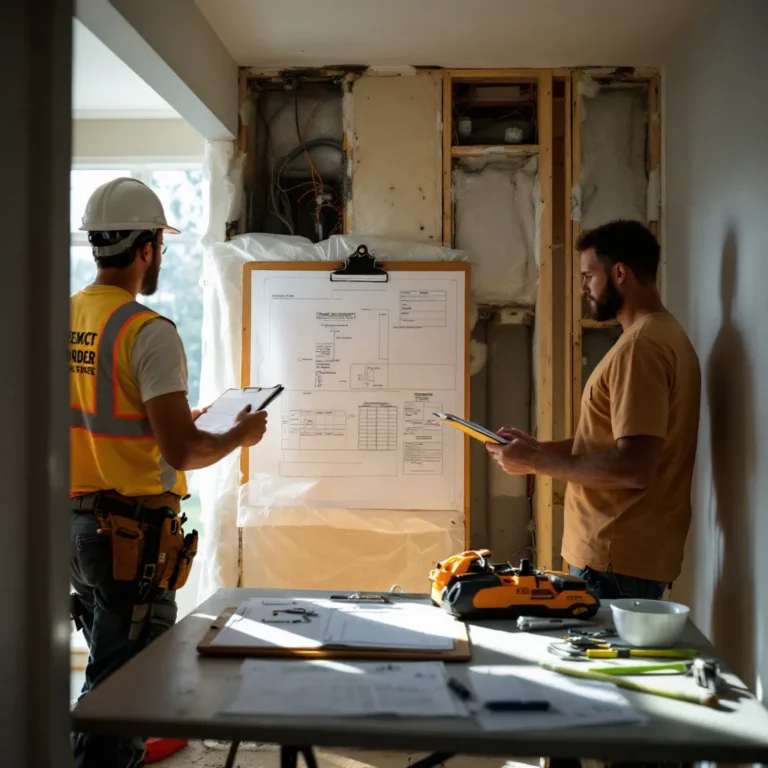
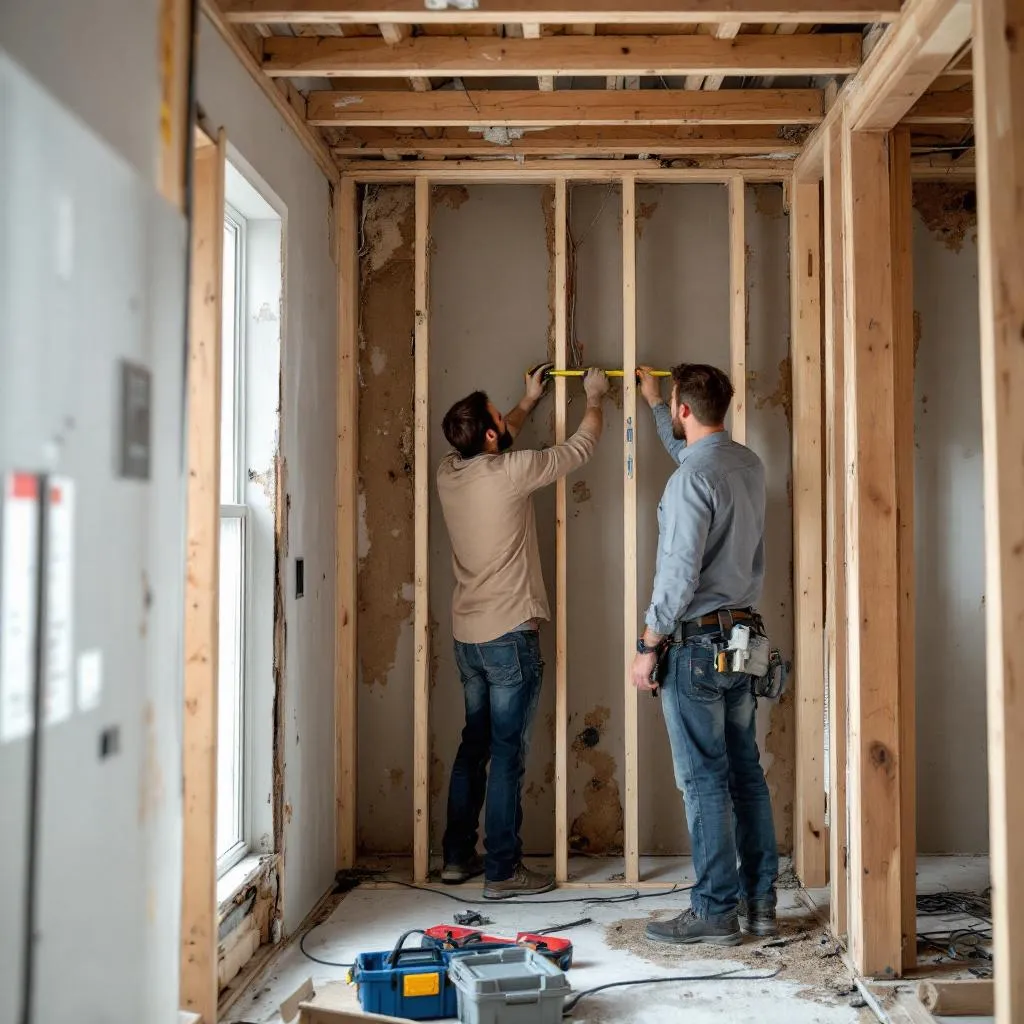
Dallas’s growth and older housing stock combine to create conditions where hidden problems are common. Homes built decades ago often conceal outdated wiring, undersized HVAC systems, or plumbing that doesn’t meet current codes. During demolition these issues reveal themselves, requiring decisions about code upgrades, rerouting systems, or reinforcing structures. Additionally, the permit process and neighborhood association approvals can extend timelines if not anticipated. I always stress that a thorough pre-construction assessment — including a careful look at electrical, plumbing, and load-bearing members — is the best defense against surprises that could stall a project.
Structural, Mechanical, and Hidden Defects
One of the most frequent shock factors is the discovery of hidden damage during demolition. Water intrusion from old flashings, termite damage in crawlspaces, or compromised floor joists may be invisible until walls and ceilings come down. Mechanical systems are another area where trouble appears: an older home’s electrical service might be insufficient for today’s loads, or ductwork may be undersized and inefficient. Addressing these problems often means coordinating specialists — structural engineers, electricians, and HVAC contractors — and incorporating their work into the schedule. A good contractor anticipates these needs and builds contingency time and scope into the plan.
Permits, Inspections, and Neighborhood Considerations
Dallas permits can be straightforward, but projects that change the footprint, alter egress paths, or impact historical facades require more scrutiny. Homeowners in established neighborhoods sometimes run into homeowner association rules or preservation guidelines that affect material choices and exterior changes. Navigating inspections without gaps is essential; failed inspections cause rework and delay. Clear communication with the city and, when necessary, early engagement with neighborhood stakeholders can prevent unexpected stoppages and ensure the project moves through required approvals efficiently.
Managing Teams, Timelines, and Communication
Remodeling is as much about people and process as it is about construction. Miscommunication between the homeowner, general contractor, and subcontractors often produces frustration. Trade scheduling is an exercise in orchestration: if the plumber is late, tile work is delayed; if the cabinet maker has backlogged orders, finishing touches slip. That’s why consistent on-site supervision, weekly progress updates, and clearly documented change orders are crucial. When clients ask for help, I often recommend setting regular progress meetings and using simple checklists to track decisions, selections, and deadlines.
Selections, Lead Times, and Quality Control
One mid-project snag I see repeatedly is selection-related delay. Custom cabinetry, specialty tiles, and certain appliances can have long lead times, and if selections aren’t finalized early, they become schedule blockers. Quality control also matters: finishing trades must meet expectations for paint, trim alignment, and grout work; otherwise a punch list expands and completion is delayed. To reduce these risks, I help homeowners prioritize long-lead items early and establish clear acceptance criteria for finishes so subcontractors know when work meets the standard to move on.
For homeowners who want to avoid these pitfalls while preserving design intent, a proven local team makes a significant difference. When you engage professionals who understand Dallas construction norms and have strong relationships with reliable trades, the project flows more smoothly. If you’re ready to move forward with confidence, consider professional Full Home Remodeling services that start with a detailed site evaluation and a realistic timeline that accounts for the common hurdles I’ve described.
Cost Management, Change Orders, and Expectations
While I won’t quote figures here, it’s important to discuss cost management in principle. Owners who plan for contingencies and understand the impact of design changes make better choices under pressure. Change orders happen, but their effect on the schedule and coordination is where surprises multiply. Transparent documentation of every change, including its impact on schedule, helps owners make informed decisions and prevents disputes. A remodeling partner who communicates trade availability and lead times lets you make changes knowingly rather than reactively.
Finishing Strong and Moving Back In
The last phase of a full remodel is where attention to detail pays off. Proper sequencing for cleaning, final inspections, and systems commissioning ensures you can move back in without lingering issues. I advise homeowners to spend time on a thorough walkthrough with their contractor before final sign-off, noting anything that diverges from the agreed scope. That punch-list process, managed effectively, turns a long project into a satisfying transformation rather than a lingering headache.
Frequently Asked Questions
Q: How long does a full remodeling project in Dallas typically take?
A: Timelines vary by scope, but major projects often span several months. The most accurate estimate comes from a detailed assessment that accounts for permits, lead times, and possible hidden issues.
Q: What should I do to prepare my home before work begins?
A: Clear personal items from work zones, set up a temporary living plan if necessary, and finalize selections for long-lead items. Early decisions reduce delays and help the team maintain momentum.
Q: How are unexpected structural problems handled?
A: A qualified contractor will document discoveries, consult necessary specialists, and present options with time and schedule impacts so you can decide on the best course without surprises.
Q: Can I live in my home during a full remodel?
A: It depends on the scope. Some homeowners remain in staged phases; others prefer temporary relocation for comfort and safety. Discuss options with your contractor during planning.
If your goal is a well-executed transformation with fewer surprises, start the conversation early and choose a team with local experience. For an organized, professional approach to Full Home Remodeling that respects Dallas timelines and neighborhood realities, reach out and let’s plan your next steps together: Full Home Remodeling.
Global Green Solutions and Remodeling
4047 Lomita Ln, Dallas, TX 75220, United States
Phone: +1 (214) 833-5834