As someone who has overseen dozens of Kitchen Remodeling projects across Dallas, I know inspections can feel like an extra hurdle when you’re trying to create a beautiful, functional space. Early on I learned that framing the process around clear expectations removes most of the stress. From the first permit application to the final approval, understanding what inspectors look for saves time and keeps the project moving forward. Kitchen Remodeling in Dallas has unique considerations — from local code interpretations to common construction patterns in older homes — and preparing for inspections is as much about communication as it is about compliance.
Kitchen Remodeling: Understanding Dallas Inspection Requirements
Dallas follows the International Residential Code with local amendments, and inspectors are focused on safety, structural integrity, and proper systems installation. When I talk to homeowners, I emphasize that inspections are not arbitrary roadblocks; they’re checkpoints that protect your investment. Permits are typically required for electrical rewiring, plumbing relocations, gas line changes, and structural modifications. Each permit triggers at least one or more inspections, and the most successful remodels schedule their work to align with those inspection milestones rather than trying to squeeze inspections in at the last minute.
What Inspectors Commonly Check and How to Prepare
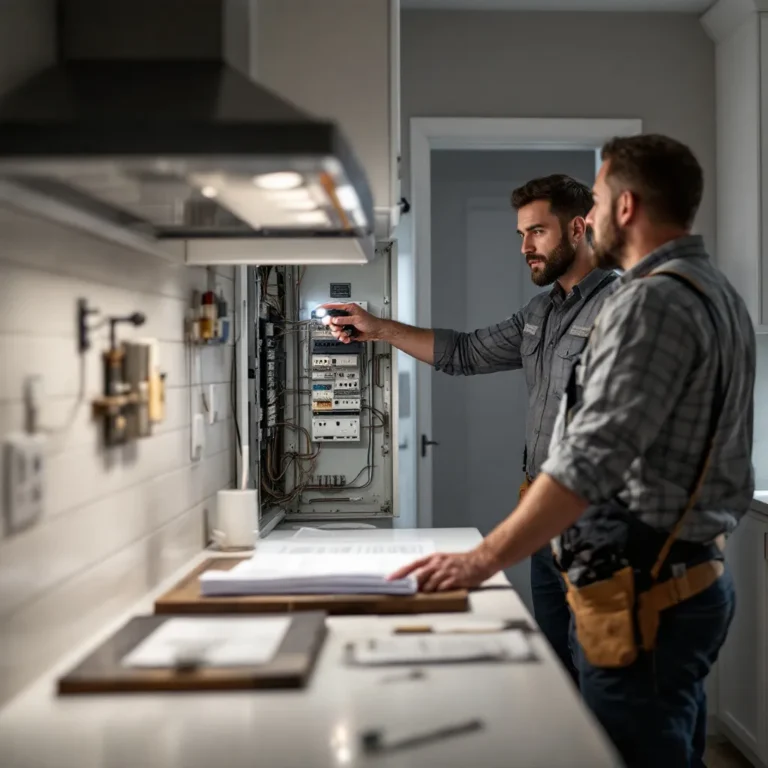
Inspectors concentrate on the unseen work because that’s where problems can cause the most harm later. They will verify that electrical circuits are properly protected, outlets in required locations are GFCI-protected where necessary, plumbing rough-ins are sloped and stubbed correctly, and gas lines are secured and tested. Structural inspections verify that load-bearing walls are handled with engineered solutions and that headers and supports meet code. I recommend scheduling a pre-inspection walkthrough with your contractor so you can see what will be exposed at each inspection stage and make any corrections before the inspector arrives. A proactive approach minimizes failed inspections and costly rework.
Coordination Between Contractor, Homeowner, and Inspector
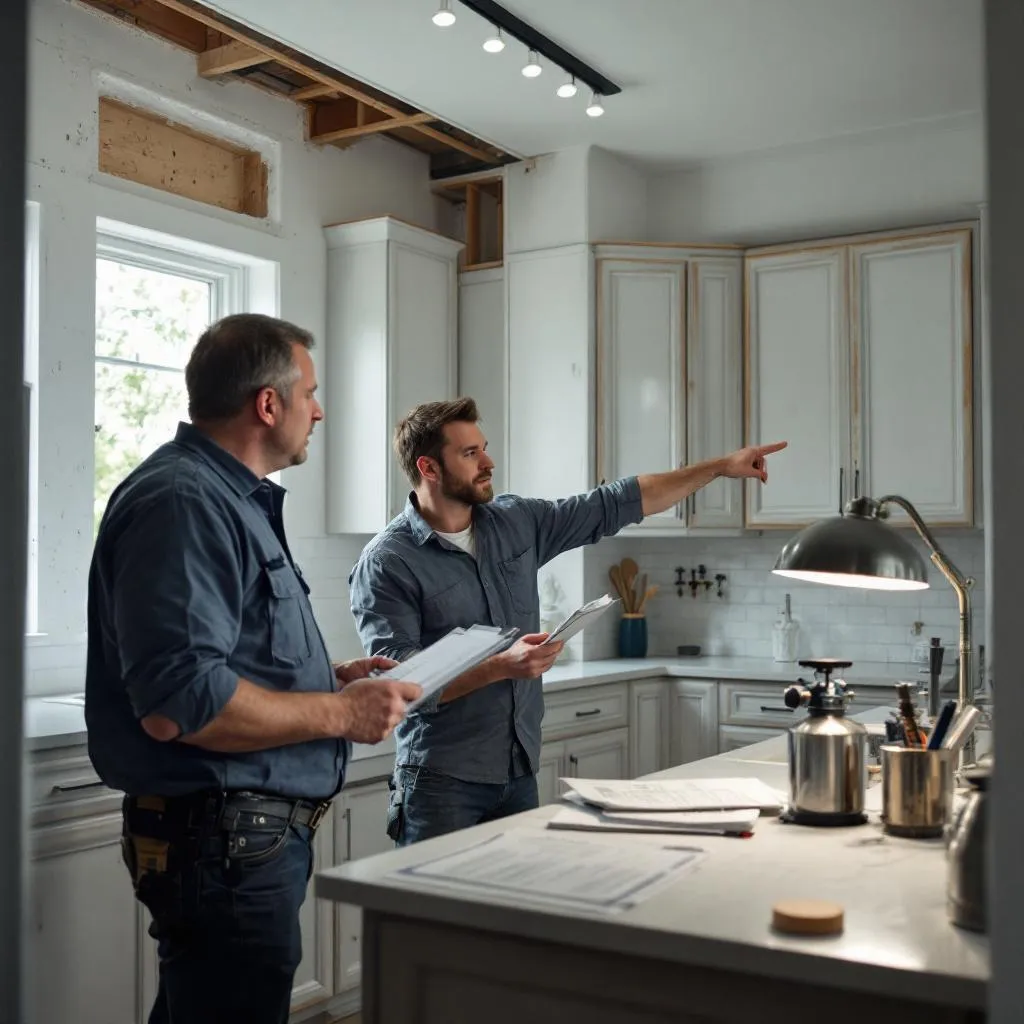
Open lines of communication reduce delays. A good contractor will know the typical sequence of inspections and will keep the homeowner informed of what needs to be visible for each one. For example, the rough electrical inspection happens before drywall, while gas and plumbing rough-ins must be pressure-tested before being covered. If you’re upgrading ventilation for a new range hood, document the duct path and termination for the inspector. When homeowners understand the purpose behind each step, they are better partners in the process, and the project moves more smoothly. If you want a turnkey approach from trusted local professionals, consider our focused services like Kitchen Remodeling to streamline coordination and oversight.
Common Pitfalls to Avoid During Your Remodel
One recurring issue I see is attempting to conceal changes before obtaining the required approvals. Covering up rough work—insulation, drywall, or cabinet installation—prior to passing inspections virtually guarantees delays. Another pitfall is miscommunication about scope: changing plans mid-project without updating permits can result in failed inspections or the need for supplemental permits. Finally, improperly installed appliances and inadequate clearances around stoves and sinks often trigger corrective actions. Mitigating these risks starts with a detailed contract and a work schedule that aligns with inspection timelines.
Final Inspections and Long-Term Considerations
The final inspection validates that the completed work matches the permitted plans and meets code requirements. Inspectors will check that GFCI-protected outlets function, ventilation systems are properly terminated, smoke and carbon monoxide detectors are positioned correctly if required, and that appliances are installed per manufacturer instructions and code. After final approval, keep your permit documentation and any change orders in a safe place; they can be important for future resale or warranty claims. Long-term, prioritize ventilation, moisture control, and durable finish materials to protect the investment your inspection process has helped secure.
Frequently Asked Questions
Q: Do I always need a permit for a kitchen remodel in Dallas?
A: Permits are typically required for electrical, plumbing, gas, and structural work. Cosmetic changes that don’t alter systems or structure may not require a permit, but it’s best to confirm with your contractor or the city permit office to avoid surprises.
Q: How many inspections should I expect?
A: Expect multiple inspections: typically a rough-in inspection for plumbing and electrical, structural inspections where applicable, and a final inspection. The exact number varies by scope; your contractor should provide a schedule tied to these milestones.
Q: What should I do if my work fails an inspection?
A: Remain calm and review the inspector’s notes with your contractor. The inspector will outline what needs correction. Address the issues transparently, make the required changes, and request a reinspection. Most failures are correctable items rather than fundamental problems.
Q: Can I be present during inspections?
A: Yes. Being present helps you understand the inspector’s concerns and the contractor’s responses. It’s an opportunity to learn and ensure any follow-up work is completed to your satisfaction.
When you’re planning a Kitchen Remodeling project in Dallas, TX, inspections are part of the path to a safe, beautiful outcome. Taking a methodical approach—permits in place, clear communication with your contractor, and work staged for inspection—reduces delays and preserves quality.
If you’re ready to move forward or would like a professional to manage inspections and compliance for you, reach out for a consultation focused on practical results and attention to detail. Our team is experienced with local inspectors and can help you through each step of your Kitchen Remodeling journey to ensure your project is completed correctly and efficiently. Kitchen Remodeling
Global Green Solutions and Remodeling
4047 Lomita Ln, Dallas, TX 75220, United States
Phone: +1 (214) 833-5834