Maintaining an older Dallas house requires both respect for historic details and practical, modern solutions. As a local expert, I emphasize routine care and thoughtful updates to extend a home’s life and character. When homeowners ask where to begin, I often recommend starting with strategic Home Remodeling that prioritizes moisture control, structural soundness, and historic material preservation. That one decision, approached carefully, sets the tone for less invasive maintenance over years to come.
Home Remodeling and Preserving Historic Character
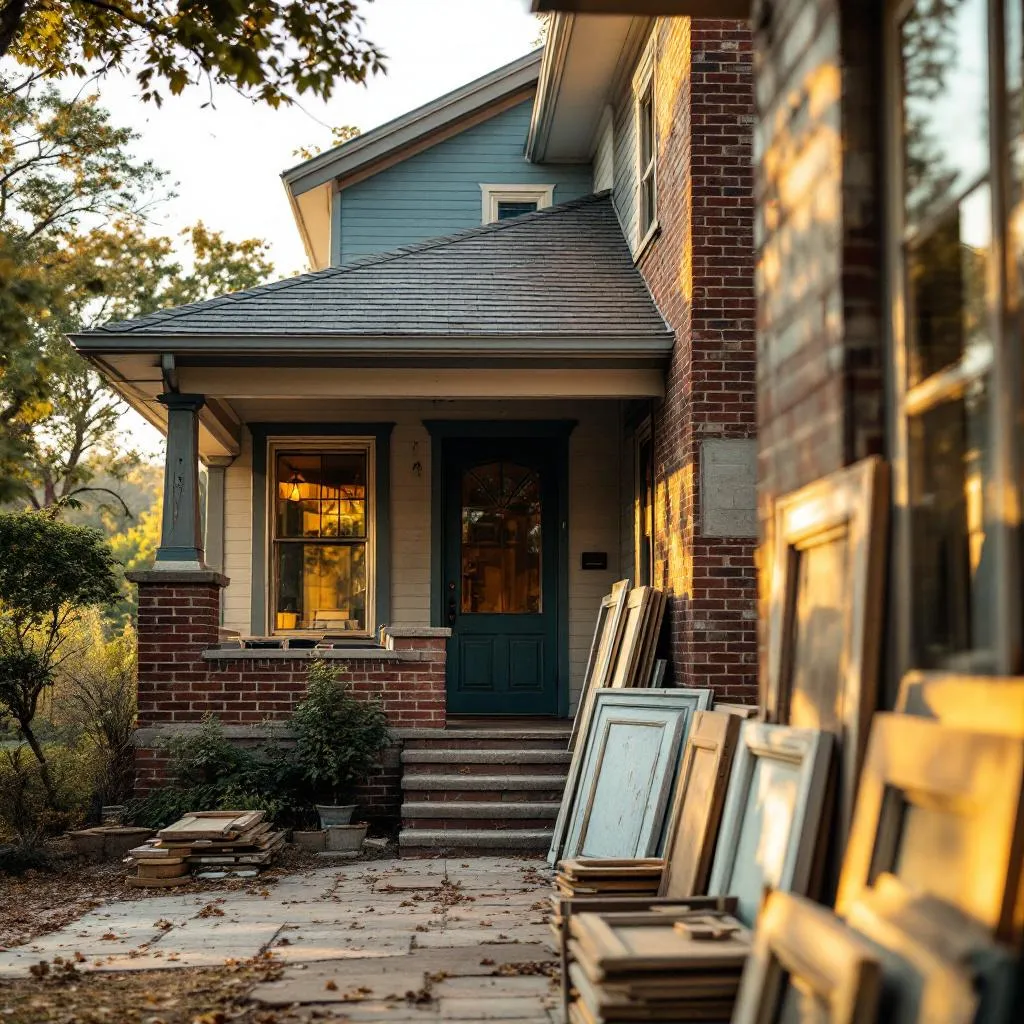
For many older homes in Dallas, the goal is not to erase age but to honor it. Effective Home Remodeling should blend upgrades with conservation: repair original woodwork rather than replace it when possible, match mortar mixes for masonry repointing, and choose replacement fixtures sensitive to the period of the house. Preservation-minded projects begin with a thorough inspection so you can identify where water intrusion, termite damage, or deferred maintenance have already affected the structure and which elements simply need cosmetic attention.
Foundation, Drainage, and the Dallas Climate
Foundation issues show up differently in North Texas than in other regions due to clay soils and seasonal moisture swings. Prioritize grading and drainage to keep water away from footings, ensure gutters and downspouts are functioning, and install or repair perimeter drains where necessary. Small cracks may be monitored, but active settlement or large cracks demand a contractor familiar with older foundation systems. Preventive maintenance here makes a major difference in long-term preservation.
Roofing, Flashing, and Weatherproofing
A sound roof protects everything beneath it. For older structures, investigate underlayment conditions, flashing around chimneys and dormers, and the suitability of replacement materials that match the home’s profile. In many cases, selective repair of existing shingles or tiles and upgrading flashing can provide years of service without a full replacement. Regular inspections after severe storms are essential in Dallas to catch small failures before they become interior damage.
Plumbing, Electrical, and Safe Performance
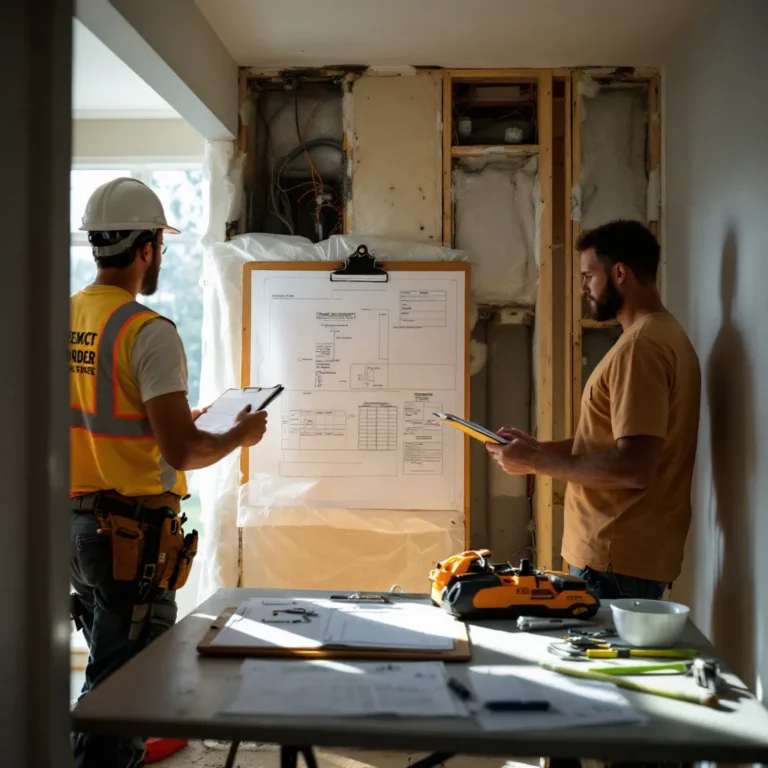
Systems updates are a core part of responsible remodeling. Original plumbing and knob-and-tube electrical systems are common in early 20th-century cabins and bungalows and can be hazards if left unattended. Replacing outdated wiring, adding modern grounding, and updating plumbing with durable, code-compliant materials protects the home and its occupants while keeping visible historic elements intact. These improvements should be coordinated with a licensed contractor who understands how to conceal upgrades sensitively.
Windows, Doors, and Energy Sensitivity
Windows and doors are central to a historic house’s look and performance. Restoring sash weights, repairing glass, and improving weatherstripping can significantly reduce drafts without replacing original units. Where replacement is necessary, choose historically appropriate profiles and finishes, and consider storm windows to improve energy efficiency without altering appearances. Thoughtful interventions maintain curb appeal and reduce long-term maintenance costs.
Midway through a preservation project, it’s common to reassess priorities and pivot based on inspections. At this stage, engaging professionals for targeted Home Remodeling work—such as reframing a sagging porch, correcting roof drainage, or stabilizing an old chimney—can prevent costly follow-up repairs. Combining repairs with preventative measures, like installing better attic ventilation or insulating in non-invasive ways, preserves both form and function.
Materials, Matchwork, and Local Suppliers
Using compatible materials is crucial to preserving an older home’s structural balance. For masonry, that means lime-based mortars where appropriate; for wood, it may mean sourcing matching species and profiles. In Dallas, a network of local suppliers and craftsmen can help find historically appropriate materials and finishes. When newer materials are introduced, ensure they are breathable and compatible so moisture does not become trapped and cause hidden deterioration.
Maintenance Planning and Seasonal Care
Plan for seasonal tasks: spring checks for roof and exterior paint, summer attention to HVAC and pests, fall gutters and insulation assessments, and winterizing sensitive plumbing. Keep a record of all repairs and materials used, so future work can be consistent and informed. A modest annual budget for inspection and small repairs prevents a backlog of deferred projects that can accelerate decay.
FAQ
Q: How often should I inspect an older home? A: Inspect externally and internally at least twice a year, and after any major storm. Pay special attention to roof, gutters, and areas where water can pool near the foundation.
Q: Can I update systems without losing historic character? A: Yes. Careful planning allows for concealed upgrades to plumbing, electrical, and HVAC. Use reversible techniques where possible and document all interventions.
Q: Do I need special permits in Dallas for remodeling older homes? A: Many structural and systems upgrades require permits. Check with the City of Dallas for specific requirements, and choose contractors who are experienced with local permitting.
Q: What should I prioritize when renovating? A: Start with anything that protects the building envelope—roof, drainage, and foundation—then address systems and finally finishes and aesthetic restorations.
Thoughtful preservation of older Dallas homes is both practical and rewarding. If you are ready to protect and enhance your property with experienced guidance, consider a targeted, expert approach to updates and maintenance. For many homeowners, partnering with a local remodeling team ensures the work aligns with historic character and modern expectations. Reach out to discuss how strategic Home Remodeling can safeguard your home’s future and maintain the charm that drew you to it.
Global Green Solutions and Remodeling
4047 Lomita Ln, Dallas, TX 75220, United States
Phone: +1 (214) 833-5834