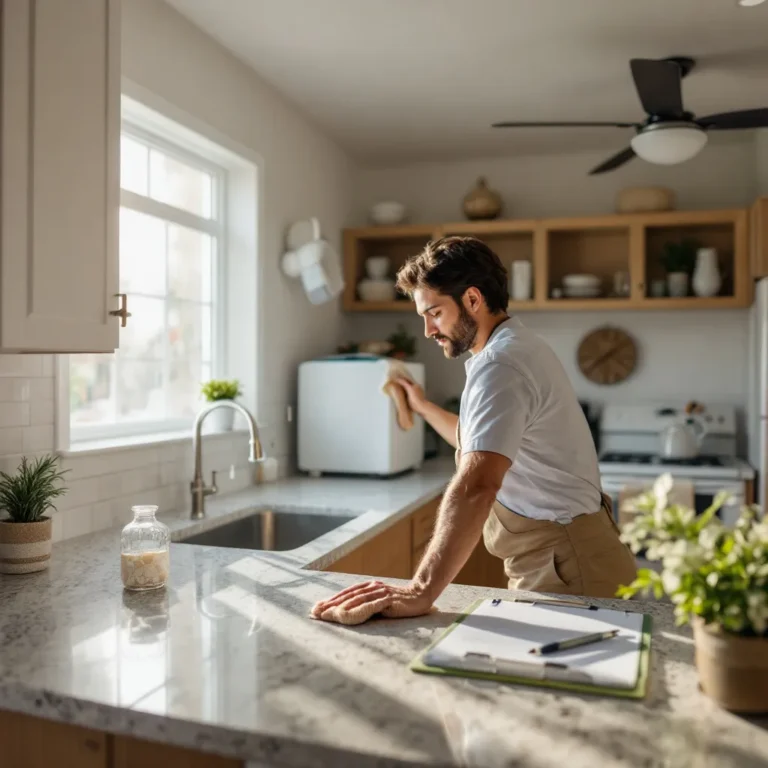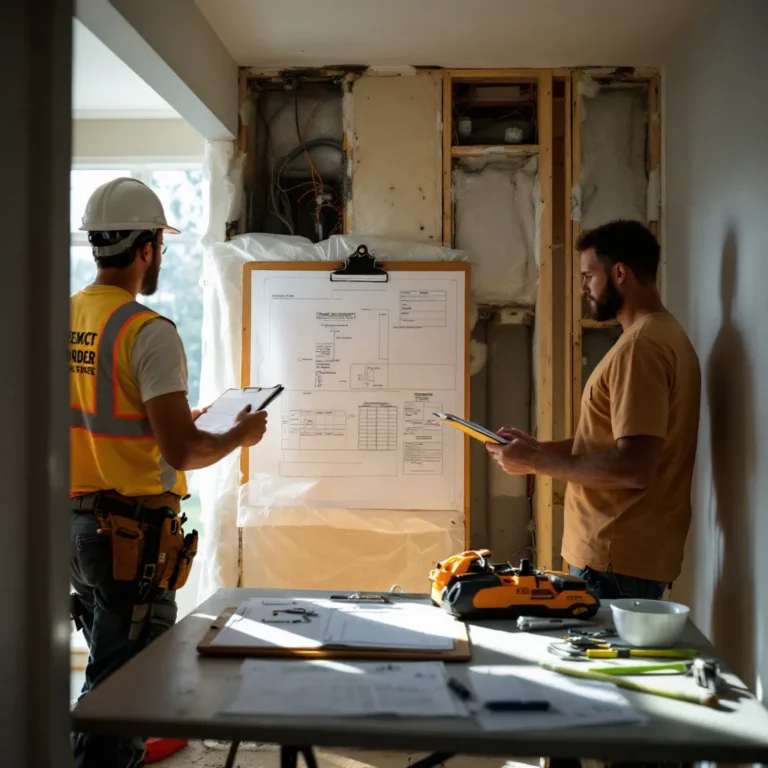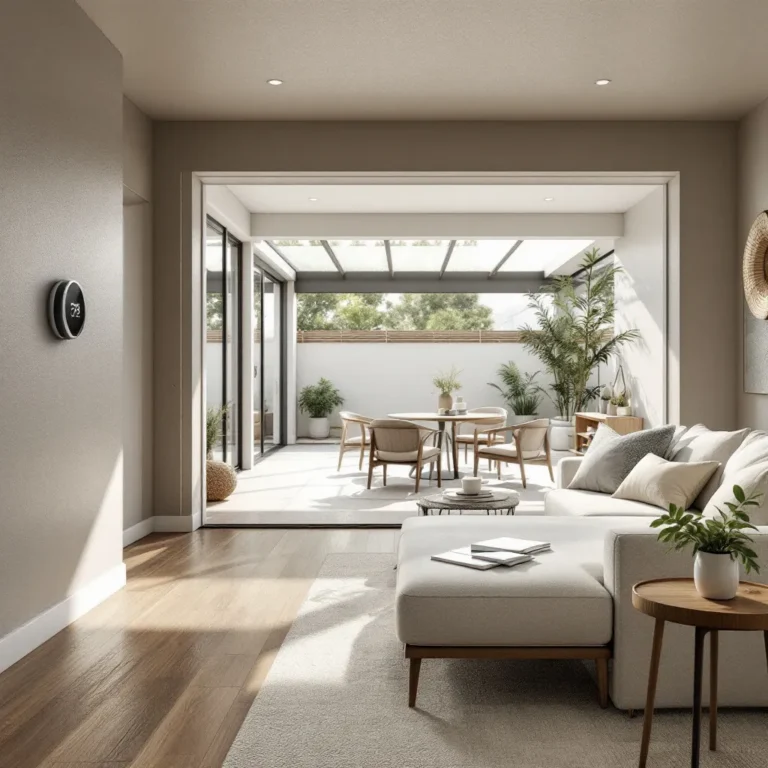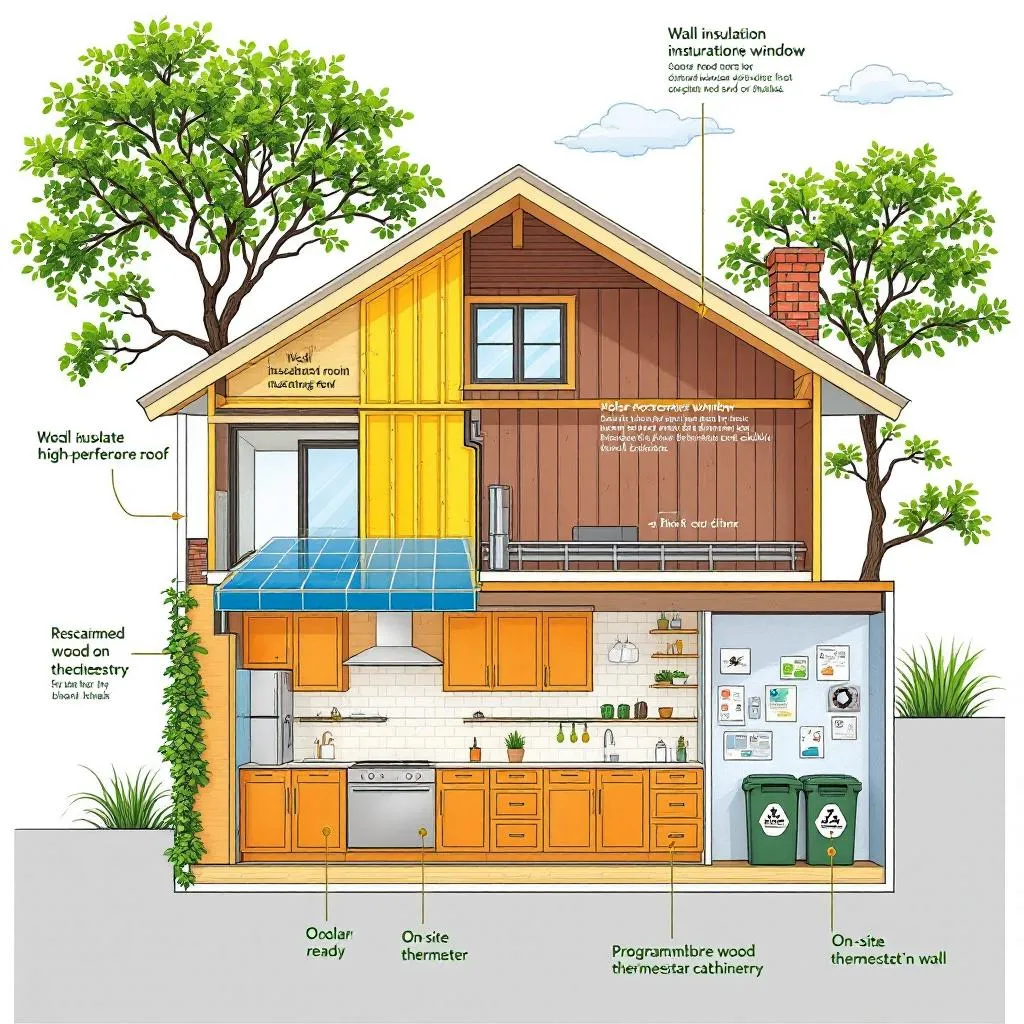
As a Dallas contractor who has overseen dozens of projects, I know homeowners want beautiful results without sacrificing the environment. Thoughtful Home Remodeling starts with small choices that compound into major reductions in energy use, waste, and carbon footprint. When you plan with sustainability in mind, a remodel becomes an investment in long-term comfort and resilience for your Dallas home. In this article I’ll walk through practical strategies to lower environmental impact while achieving design and performance goals, drawing on local climate realities and building practices.
Understanding local priorities for greener remodels
Dallas sits in a climate that demands efficient cooling, smart insulation, and durable materials that can withstand humidity and sun. Before the first demo day, consider how orientation, existing insulation, and window performance affect energy loads. Proper planning reduces surprises and keeps demolition waste to a minimum by preserving what still performs well. I recommend assessing systems—HVAC, insulation, windows, and water fixtures—early so you can sequence work to avoid repeated disturbances that generate extra waste.
Choosing sustainable materials and responsible sourcing
Material selection matters for both indoor health and long-term environmental impact. Opt for low-VOC finishes, rapidly renewable materials, and products with recycled content. Salvaging cabinets, doors, and hardware when possible keeps perfectly good materials out of the landfill. When new items are necessary, prioritize third-party certifications and regional suppliers to reduce transportation emissions and support local businesses. For comprehensive projects, pairing reclaimed pieces with new, high-efficiency components creates a layered, character-rich space that performs better over time. Consider also lifecycle impacts: durable materials that require less frequent replacement often have lower overall environmental cost.
Home Remodeling Best Practices in Dallas
Successful sustainable remodels balance aesthetics, performance, and budget without compromising one for the other. Start by tightening the building envelope—seal air leaks, add insulation where needed, and upgrade windows for higher thermal performance. Integrating efficient HVAC systems and smart thermostats reduces energy demands, while proper ventilation keeps indoor air healthy. Water-saving fixtures and drought-tolerant landscaping reduce resource consumption in our region. In many cases, rebates and utility programs can help offset the cost of efficient equipment, making green upgrades easier to justify and implement.
Managing waste and maximizing reuse
Construction waste is one of the biggest environmental impacts of remodeling. A waste-reduction plan can include sorting and recycling materials on-site, partnering with companies that refurbish or resell deconstructed items, and donating surplus fixtures to local organizations. Thoughtful demolition—deconstructing rather than demolishing—preserves value and reduces landfill volume. When you plan the sequence of work to minimize double-handling and avoid unnecessary removals, you also save time and money while reducing your environmental footprint.
Energy efficiency upgrades that deliver the biggest returns
Target upgrades that yield measurable energy savings: improved insulation, high-performance windows, efficient heating and cooling systems, and LED lighting. Sealing ducts and adding programmable controls can make older systems run far more efficiently. Integrating passive strategies—like shading, reflective roofing, and strategic window placement—helps reduce cooling loads in Dallas summers. For homeowners wanting a single resource to consult during full renovations, it’s useful to review options holistically so that individual improvements stack into a coherent efficiency plan. For full-scale projects, consider working with contractors who specialize in sustainable Home Remodeling to ensure systems are sized and installed correctly.
Mitigating environmental impact is also about process: choosing teams that prioritize waste diversion, transparent sourcing, and efficient schedules. Contractors who plan deliveries to prevent excess packaging, who reuse on-site scrap, and who coordinate trades to avoid rework contribute to lower emissions over the life of the project. Communication with your contractor about priorities up front makes it far easier to implement sustainable practices practically.
When you’re ready to explore options, bring any existing plans or wish lists to your consultation. A designer or contractor who understands local code, climate challenges, and material availability will help you achieve durable, efficient outcomes without sacrificing design intent. If you want help implementing a comprehensive plan that balances beauty and sustainability, a local specialist can guide selections, sequencing, and permitting for a smoother, greener project. Consider including the right trades early—an HVAC specialist, an insulation expert, and a certified electrician—to avoid costly changes mid-project and to maximize efficiency gains. For homeowners who prefer a single point of coordination for large projects, our team can manage the entire process from concept through completion, ensuring each choice supports your sustainability goals and your lifestyle.
Midway through a renovation it’s common to reevaluate choices. If you’re replacing cabinetry or updating layout, ask your contractor about reclaim and resale options, or whether new selections can be specified with recycled content. Contractors who maintain relationships with suppliers and deconstruction networks can identify opportunities to save materials and retain value. For comprehensive service and coordination, many homeowners rely on specialists who offer broad project management—if this approach fits your needs, consider discussing it early in the planning phase. To explore full-service coordination, you can review approaches used by established firms like Home Remodeling when planning large-scale projects.
FAQ: Common questions about sustainable remodeling
How can I make my remodeling project more sustainable?
Start with an assessment: identify what performs well and what doesn’t. Prioritize air sealing, insulation, and efficient systems, choose durable or reclaimed materials, and plan for waste diversion through recycling or donation. Small changes early on compound into significant benefits.
Will green materials compromise my design choices?
Not at all. Today’s sustainable materials offer a wide range of finishes and styles. Working with a designer familiar with eco-friendly options ensures your aesthetic preferences are met while prioritizing indoor air quality and low environmental impact.
How do I handle demolition waste responsibly?
Opt for deconstruction where feasible to salvage usable materials. Contractors can sort materials for recycling, partner with local resale organizations, or coordinate donations. A responsible waste plan is part of a well-run remodel and reduces landfill burden.
If you’re ready to make an environmentally conscious change to your home, take the next step with a partner who knows local conditions and sustainable practices. For full-project guidance and coordinated execution that honors both design and the environment, consider working with experts experienced in comprehensive Home Remodeling projects. Thoughtful planning and the right team will help you achieve lasting performance, healthier indoor spaces, and a reduced environmental footprint through every phase of the remodel.
Global Green Solutions and Remodeling
4047 Lomita Ln, Dallas, TX 75220, United States
Phone: +1 (214) 833-5834